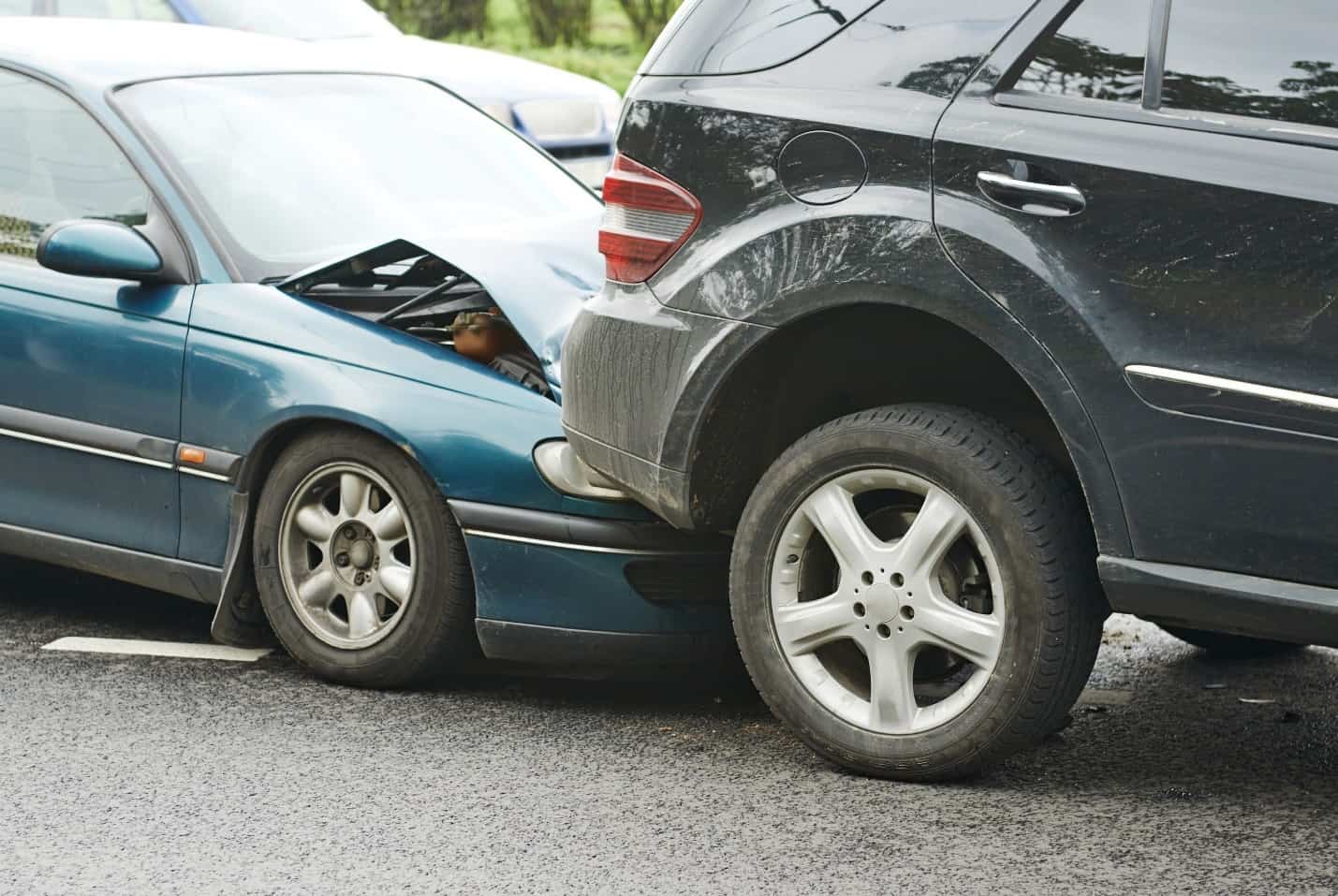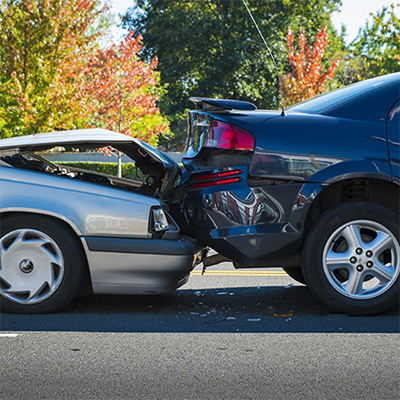
If you’ve been hurt in an accident but worry that your own mistake might cost you any chance at compensation, the last clear chance doctrine is worth understanding. It’s a legal principle that can allow an injured person to recover damages even when they were partly at fault — as long as the other party had a real, final opportunity to avoid the accident and failed to take it.
Below, we explain what the doctrine means, the elements you’d need to prove, and how it fits within Georgia’s approach to fault. If you have questions about your own situation, the attorneys at Howe.Law Injury & Accident Lawyers are available 24/7 at (844) 876-4357.
## What Is the Last Clear Chance Doctrine?
The last clear chance doctrine is a rule in personal injury law that focuses on a single question: of everyone involved, who had the final realistic opportunity to prevent the accident?
The idea is straightforward. Even if you did something careless that helped put you in harm’s way, the other party may still be held responsible for your injuries if they could have avoided hitting you — but didn’t. In other words, your earlier mistake doesn’t automatically erase your right to recover, if someone else had the last meaningful chance to stop the harm and failed to act on it.
The doctrine traces back to a famous 19th-century English case involving a donkey left tied near a road and a wagon driver who struck it despite having room to avoid it. The principle that emerged — that the person with the last clear opportunity to prevent harm bears responsibility for it — has shaped negligence law ever since.
## The Elements You Would Need to Prove
To rely on the last clear chance doctrine, an injured person generally needs to establish several things.
– **You were in a position of peril.** You were in real danger of being struck or injured — and, importantly, you could not reasonably get yourself out of that danger in time.
– **The other party actually knew of your danger.** This is a critical point: it’s generally not enough that the other party *should* have noticed you. The doctrine typically requires that they had **actual knowledge** of your peril in time to do something about it.
– **The other party had time and ability to avoid the harm.** With the knowledge they had, they could have prevented the accident by using ordinary care — braking, swerving, slowing down, sounding a horn, or otherwise reacting.
– **They failed to use that ordinary care.** Despite having the last clear chance to avoid the collision, they didn’t take it — and that failure caused your injury.
If those pieces are present, the doctrine may allow recovery even though you were partly negligent yourself.
## A Practical Example
Picture a pedestrian crossing a street outside of a crosswalk while looking down at their phone. The pedestrian is clearly negligent — they shouldn’t be crossing there, and they aren’t paying attention.
Now suppose the approaching driver sees the pedestrian with plenty of time and distance to slow down or stop, but doesn’t react and strikes them anyway. Even though the pedestrian created the dangerous situation, the driver had the last clear chance to avoid the collision and failed to take it. Under the doctrine, the pedestrian may still be able to recover for their injuries.
The same logic can apply to drivers, motorcyclists, and bicyclists — anyone who ends up in a position of danger they can’t escape, where someone else had the final opportunity to prevent the harm.
## How This Fits With Georgia’s Comparative Negligence Rule
Georgia follows a **modified comparative negligence** approach. In general terms, this means an injured person can still recover compensation even if they were partly at fault — but their recovery is reduced by their share of fault, and if they are found to be **50% or more at fault**, they may be barred from recovering at all.
Within that framework, the last clear chance doctrine matters because it can shift how fault is viewed. By focusing attention on who had the final opportunity to prevent the accident, it can strengthen an injured person’s position — both in court and in settlement negotiations with an insurance company that’s trying to pin the blame on you. Demonstrating that the other party had, and squandered, the last clear chance to avoid the crash can be the difference between a denied claim and a fair recovery.
Because the way these rules interact is fact-specific and the stakes are high, this is an area where experienced legal guidance genuinely matters.
## How Howe.Law Can Help
The last clear chance doctrine can sound abstract, but in a real case it often comes down to detailed proof: police reports, witness accounts, video footage, vehicle data, and sometimes accident-reconstruction analysis showing exactly who could have done what, and when. Building that picture is where having an experienced personal injury team makes a difference.
If you were injured in an accident in Georgia, Tennessee, or Mississippi — even one where you think you may share some of the blame — don’t assume you have no claim. You may have more options than the insurance company wants you to believe.
Contact Howe.Law Injury & Accident Lawyers for a free, no-obligation case review. Our team is available 24/7 at **(844) 876-4357**.
—
*This article is for general informational purposes only and is not legal advice. Reading it does not create an attorney-client relationship. Laws change and every case is different; consult a licensed attorney about your specific situation.*
Related Articles